Doctoral thesisTurkish
A Platform Development for Analyzing Open-Source Information in Distributed Microservice Architecture on End User Computers
Abstract
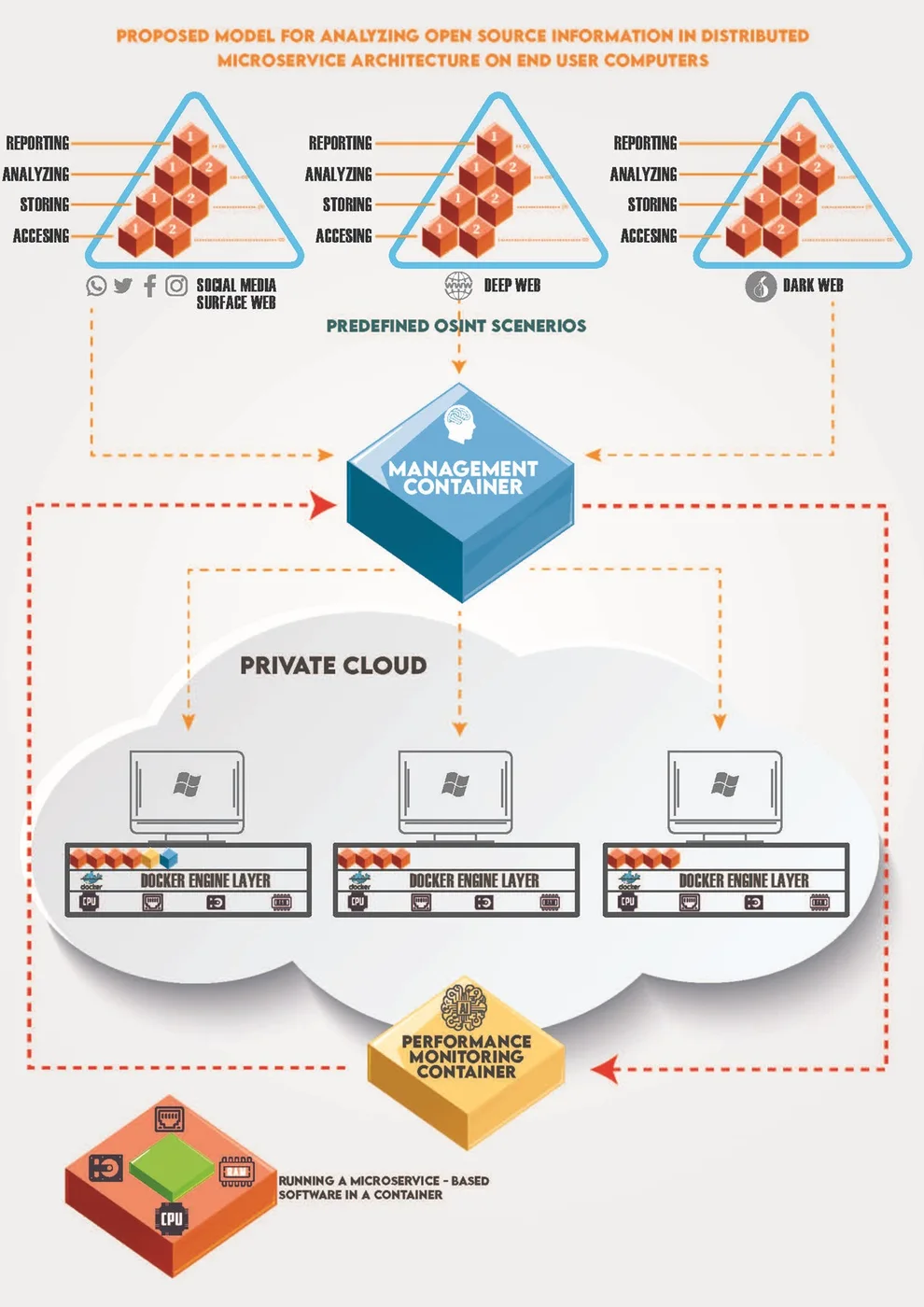
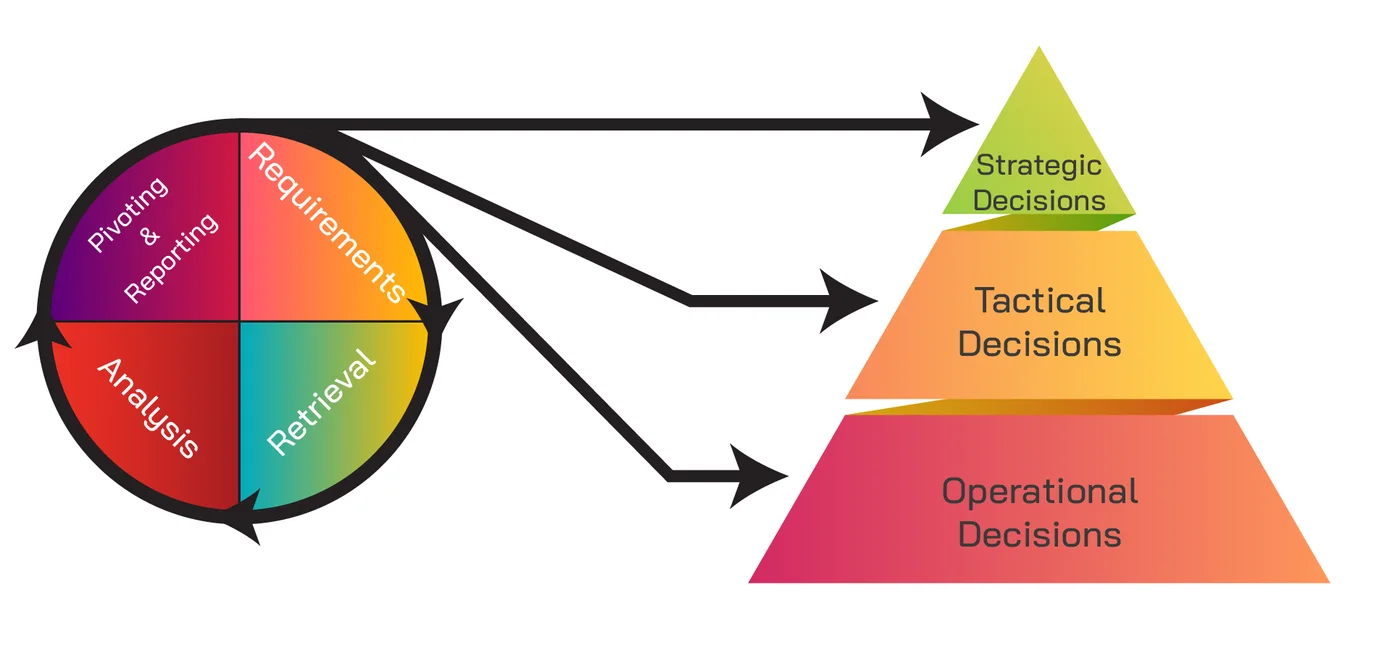
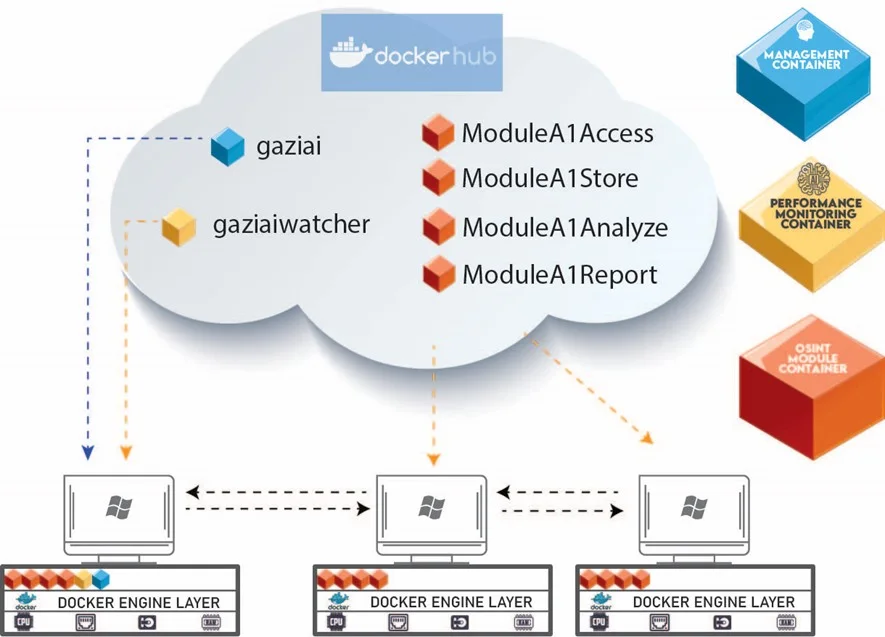
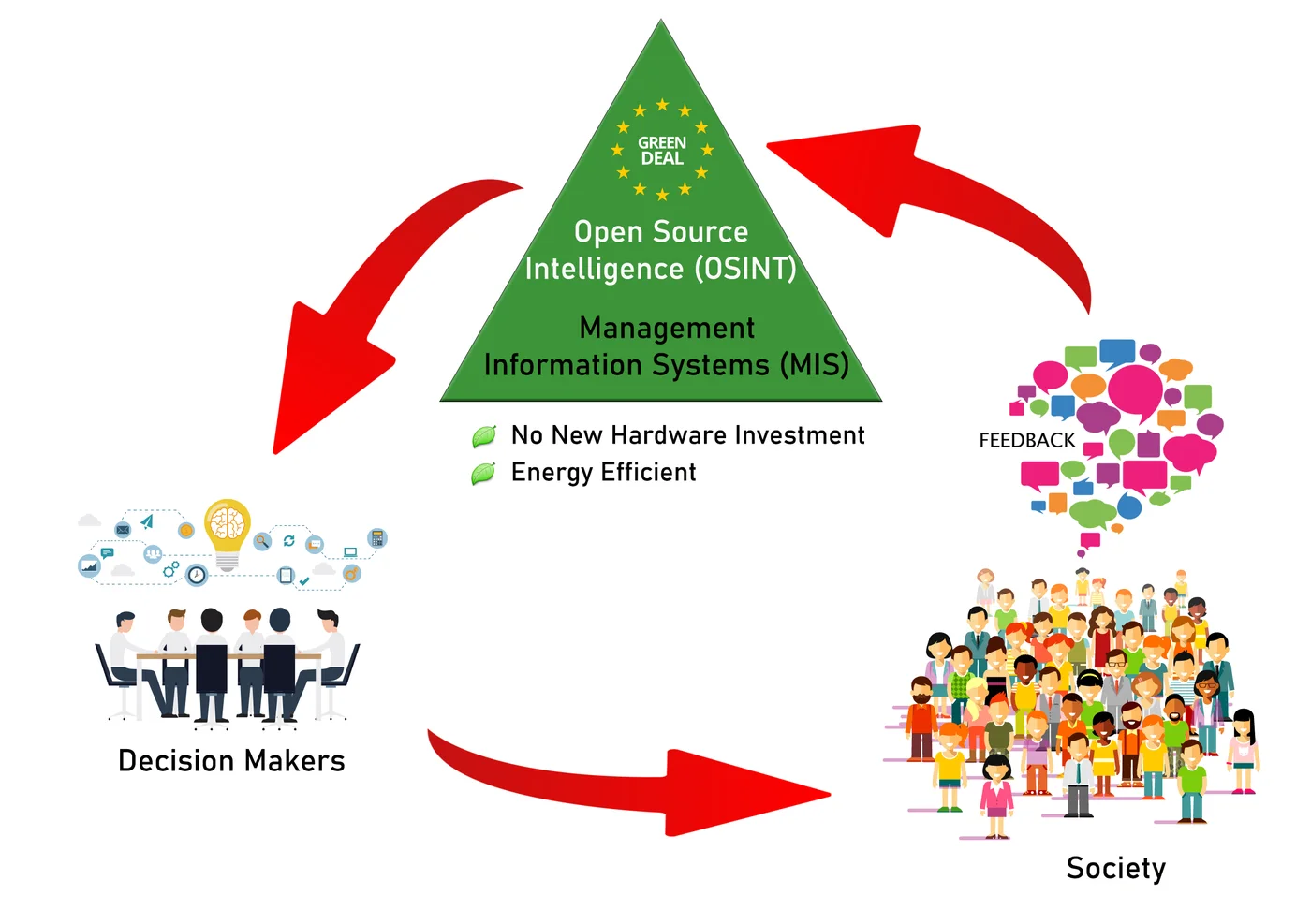
When we look at the academic studies and corporate applications carried out in the field of management information systems, it is seen that they focus on internal data, but external data are left in the background. Since the mid-2010s, the widespread use of internet access, especially on smart portable devices, and the explosion of social media along with other mobile applications have caused a paradigm shift in this field. It has become a necessity rather than an option that external data obtained from open sources, especially the data produced by end users, should be carefully handled by organizations and used in strategic, tactical and operational decision-making processes. In this study, a model was developed by considering the “open-source intelligence” discipline and management information systems, which have been developed since the 1950s, regarding the collection and analysis of external data. The theoretical model for which we have applied for a patent, in which institutions can manage open-source intelligence processes by using their existing desktop computer resources in a distributed microservice architecture without making new investments and benefit from the generated reports in decision-making processes, has also been developed as a software project called “Gazi.AI”. Thanks to the developed platform, an endless number of open-source intelligence projects can be integrated and carried out in a distributed structure, and a solution has been produced in which calculation processes requiring high resources can be run on end user computers with low resources in a distributed structure, with the same approach. This platform, developed on containerization technology with the green deal approach, has been tested practically by different individuals and institutions, and their feedback has been systematically collected and analyzed and discussed in terms of the hypotheses we put forward at the beginning of our research. The modules developed on three different open-source intelligence scenarios, which collect data from the Twitter environment, which is the most popular social media application and now uses the “X” brand, were tested practically by the participants, and as a result, the five hypotheses we put forward in our study were proven.