Gazi.AIAraştırma
TR

Doktora araştırması · Patent başvurusu 2022/002331

Açık kaynak istihbaratı için yeşil bir yapay zekâ platformu.

Kurumların karar vermek için açık kaynaklardaki bilgiye ihtiyacı var; ama bu bilgiyi analiz etmek veri bilimciler, sunucular ve bütçe ister. Gazi.AI platformu, açık kaynak istihbaratı döngüsünün tamamını kurumun zaten sahip olduğu masaüstü bilgisayarlarda, çalışanlar onları kullanmaya devam ederken yürütür.

Dört konteynere bölünmüş OSINT döngüsü

Açık kaynak istihbaratı sürecinin her adımı, tek bir işi yapan küçük bir mikroservistir. Her biri bir Docker konteynerinde, kurumdaki o an boşta olan bilgisayarlarda çalışır; üstte hafif bir orkestrasyon katmanı bulunur.

  1. ErişimKonteynerler açık kaynaklardan veri toplar ve depolamaya aktarır.
  2. DepolamaKonteynerler veriyi bir veritabanında veya dosya sisteminde saklar.
  3. AnalizKonteynerler veriyi yapay zekâ teknikleriyle analiz eder ve sonuçları raporlamaya gönderir.
  4. RaporlamaBir dosya veya web sunucusu, yönetim ekibine kararları için gereken raporları sunar.
Kurumun kendi bilgisayarlarında Docker konteynerlerinde çalışan dört mikroservis olarak OSINT döngüsü 1 · Erişimaçık veri toplar 2 · Depolamaveritabanı veya dosya 3 · Analizyapay zekâ ile 4 · Raporlamakarar vericiler için Kullanıcı bilgisayarları Yönetilen Docker konteynerleri

Üç yapı taşı

Mikroservis mimarisi

Mikroservisler servis odaklı mimariden doğar, ama her biri tek amaçlı küçük bir uygulamadır. Bağımsız çalışır ve tek bir işi iyi yaparlar; bu da onları taşımayı, ölçeklemeyi ve değiştirmeyi kolaylaştırır.

Docker konteynerleştirme

Konteyner, kodu ihtiyaç duyduğu her şeyle birlikte paketler; böylece her bilgisayarda aynı şekilde çalışır. Docker Engine Linux, macOS ve Windows’ta çalışır ve sıradan ofis bilgisayarlarını özel bir buluta dönüştürür.

Dağıtık altyapı

Bulut, grid, paralel, gönüllü ve fırsatçı hesaplama, veri analizinin farklı bir yönünü çözer. Platform bunları son kullanıcı bilgisayarlarında birleştirerek açık kaynak bilgiyi yeni yatırım yapmadan analiz eder.

Modelin dayanakları

Bilgi değer zinciri

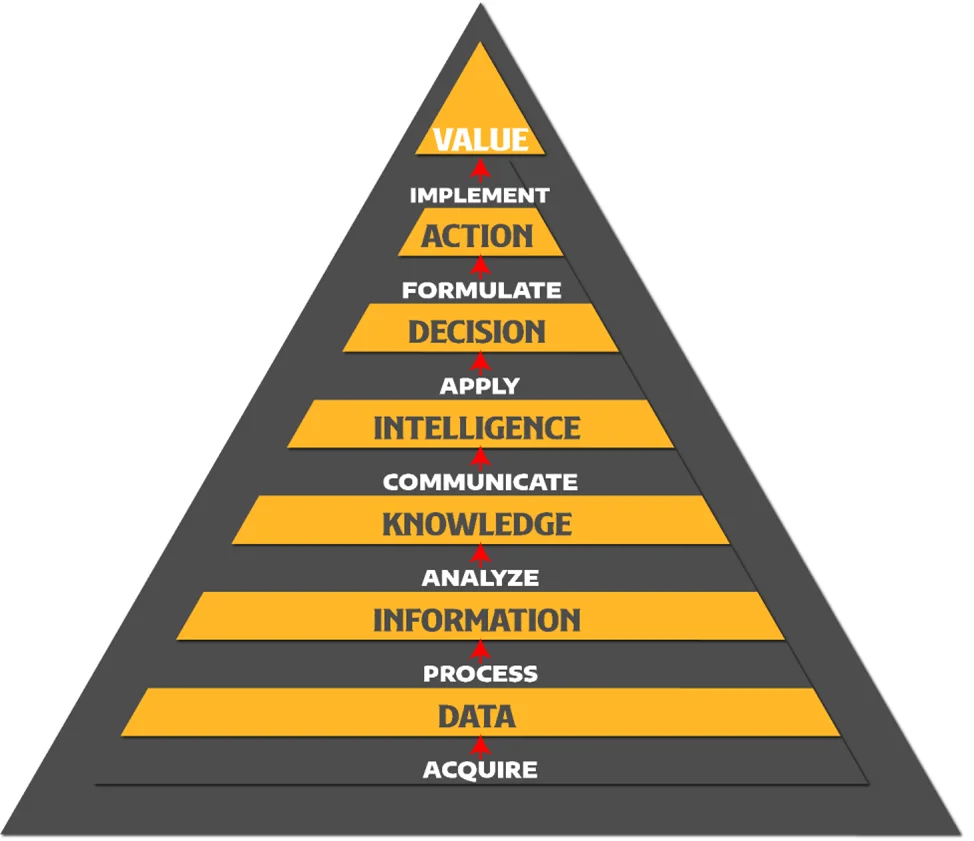
Bilgi yönetimi, bilgiyi bir varlık olarak ele alır: edinilir, saklanır, paylaşılır ve kararlarda kullanılır. Haberler, sektör raporları, hukuki görüşler, araştırmalar ve resmî istatistikler gibi dış kaynaklar hayati önemdedir ve çoğu açıktır. Artık sorun erişim değil, analizdir.

OSINT ve stratejik yönetim

Araştırma, açık kaynak istihbaratı ve stratejik yönetim alanlarının standartlarını tek bir modelde birleştirir; böylece açık bilgi, kurum yönetiminin her kademesinde kullanılabilir hâle gelir.

Yeşil YBS ve Toplum 5.0

Toplum 5.0 ve Endüstri 5.0, teknolojiden yalnızca değer üretmesini değil; insana, gezegene ve refaha hizmet etmesini bekler. Zaten çalışan bilgisayarları yeniden kullanmak, platformun çevresel sürdürülebilirliğe cevabıdır.

Tezden şekiller

Doktora araştırmasından şemalar. Tam boyutta açmak için bir şekle tıklayın.

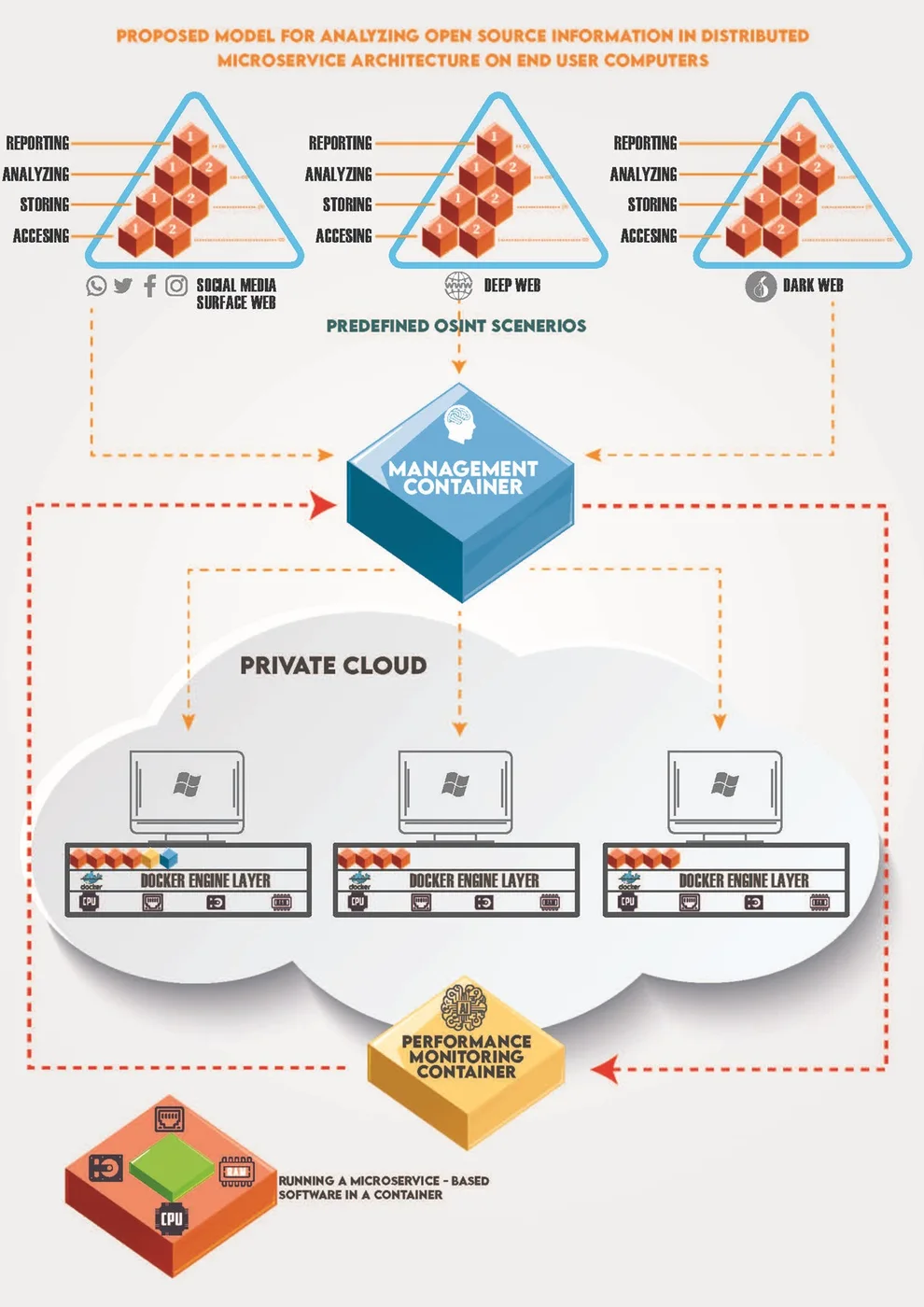
Önerilen model: dağıtık mikroservis mimarisiyle son kullanıcı bilgisayarlarında açık kaynak istihbaratı
Şekil 1 Önerilen model: dağıtık mikroservis mimarisiyle son kullanıcı bilgisayarlarında açık kaynak istihbaratı
Bilgi değer zinciri: veriden değere
Şekil 2 Bilgi değer zinciri: veriden değere
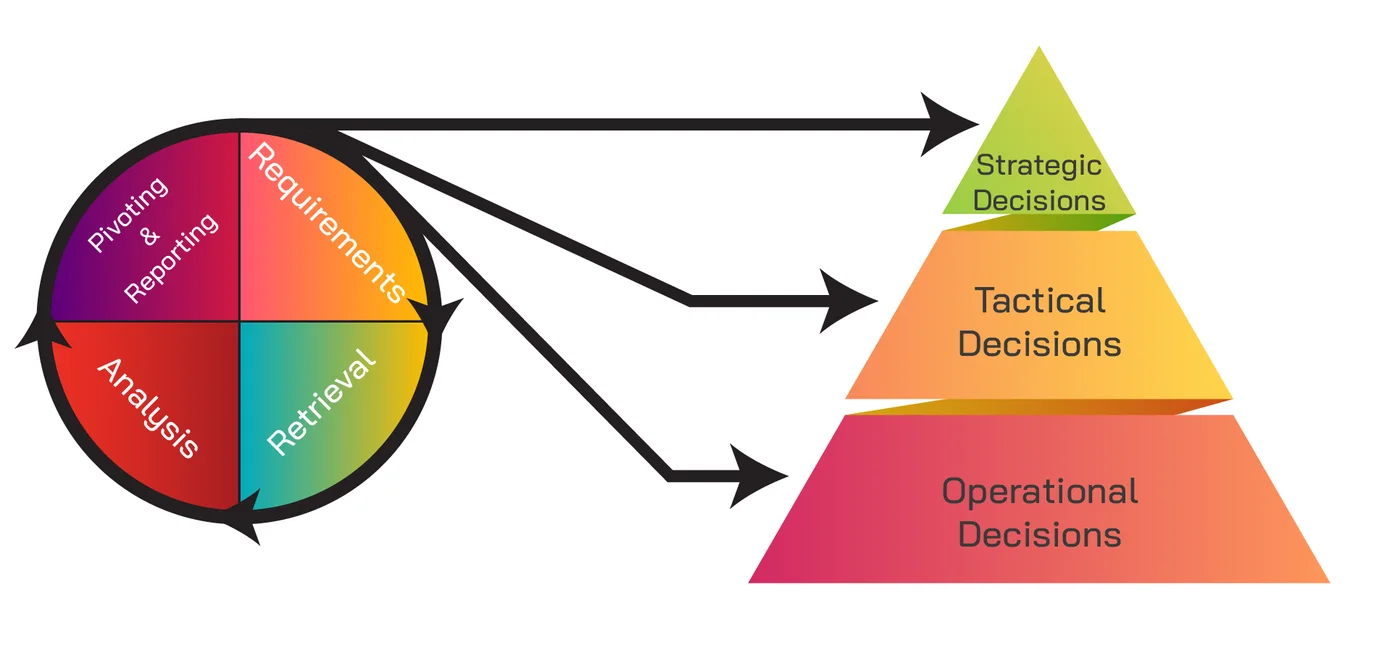
Stratejik, taktik ve operasyonel kararları besleyen OSINT döngüsü
Şekil 3 Stratejik, taktik ve operasyonel kararları besleyen OSINT döngüsü
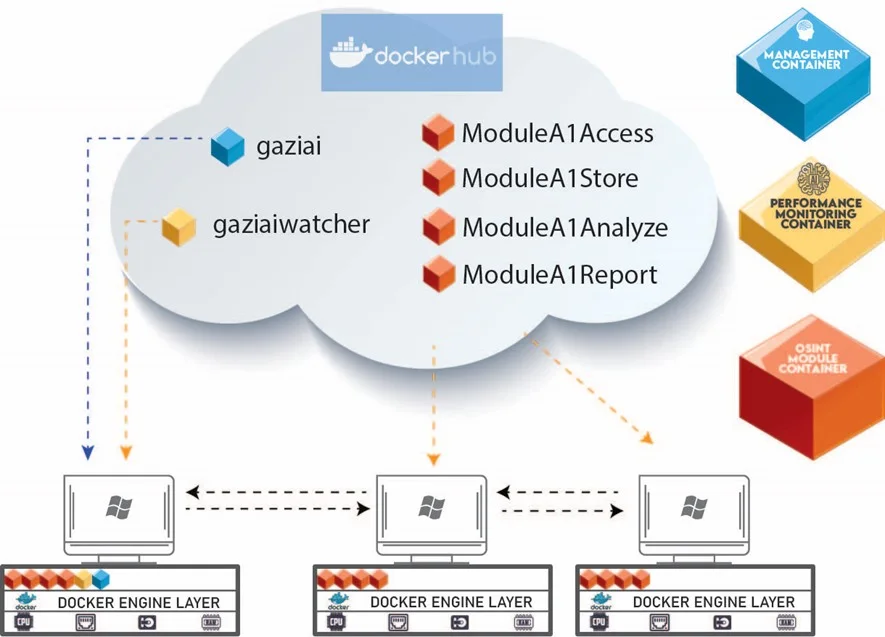
Docker Hub’dan ofis bilgisayarlarına dağıtılan Docker konteynerleri olarak Gazi.AI modülleri
Şekil 4 Docker Hub’dan ofis bilgisayarlarına dağıtılan Docker konteynerleri olarak Gazi.AI modülleri
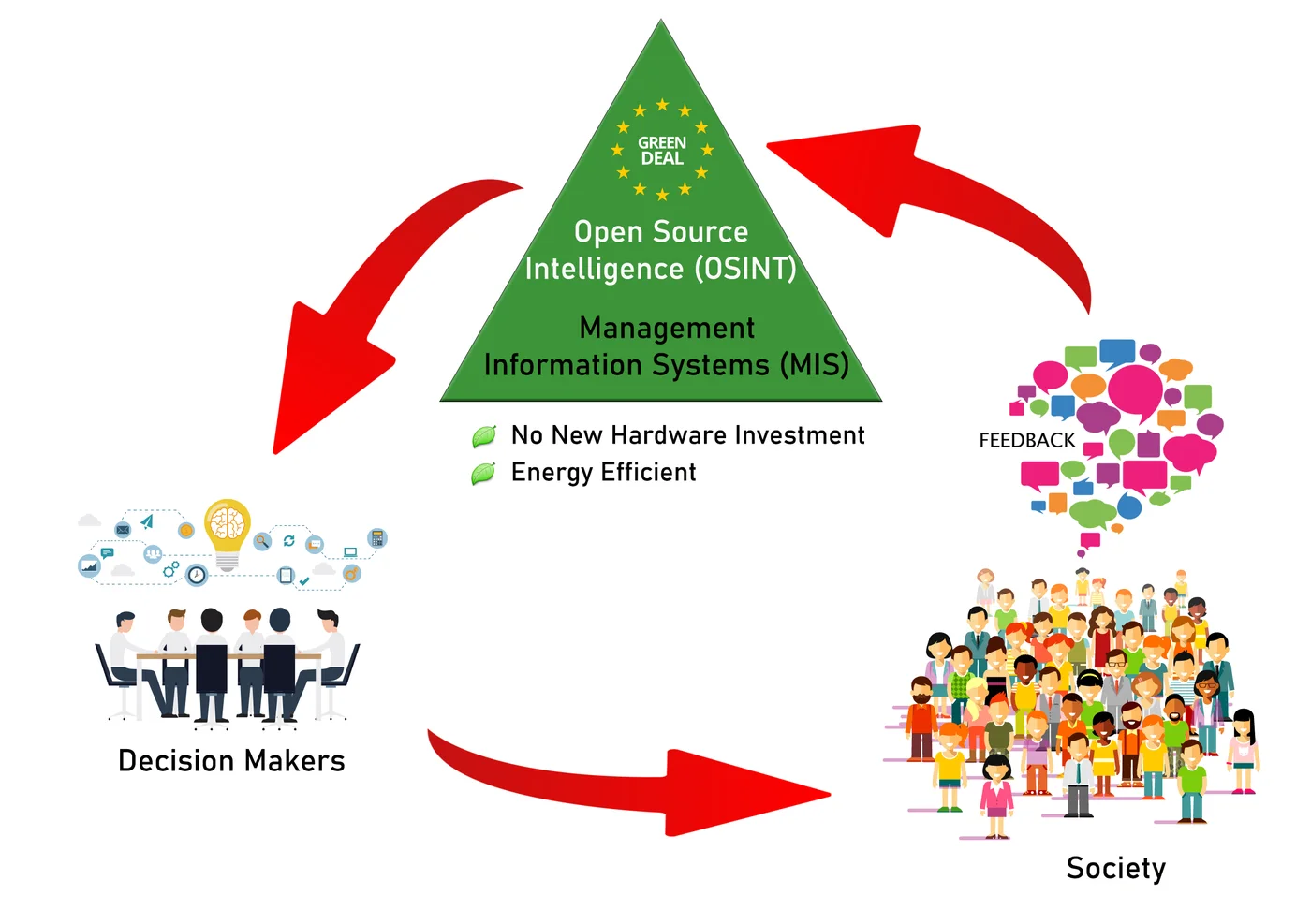
Yeşil YBS ve Toplum 5.0: karar vericiler, toplum ve geri bildirim
Şekil 5 Yeşil YBS ve Toplum 5.0: karar vericiler, toplum ve geri bildirim

Yayınlar

Platformun arkasındaki tez, makaleler, kitap bölümü ve patent. Başlıklar ve özetler İngilizce verilmiştir.

Doktora teziTürkçe

A Platform Development for Analyzing Open-Source Information in Distributed Microservice Architecture on End User Computers

Hüseyin Akarslan · Danışman: Prof. Dr. Şeref Sağıroğlu

Özet

When we look at the academic studies and corporate applications carried out in the field of management information systems, it is seen that they focus on internal data, but external data are left in the background. Since the mid-2010s, the widespread use of internet access, especially on smart portable devices, and the explosion of social media along with other mobile applications have caused a paradigm shift in this field. It has become a necessity rather than an option that external data obtained from open sources, especially the data produced by end users, should be carefully handled by organizations and used in strategic, tactical and operational decision-making processes. In this study, a model was developed by considering the “open-source intelligence” discipline and management information systems, which have been developed since the 1950s, regarding the collection and analysis of external data. The theoretical model for which we have applied for a patent, in which institutions can manage open-source intelligence processes by using their existing desktop computer resources in a distributed microservice architecture without making new investments and benefit from the generated reports in decision-making processes, has also been developed as a software project called “Gazi.AI”. Thanks to the developed platform, an endless number of open-source intelligence projects can be integrated and carried out in a distributed structure, and a solution has been produced in which calculation processes requiring high resources can be run on end user computers with low resources in a distributed structure, with the same approach. This platform, developed on containerization technology with the green deal approach, has been tested practically by different individuals and institutions, and their feedback has been systematically collected and analyzed and discussed in terms of the hypotheses we put forward at the beginning of our research. The modules developed on three different open-source intelligence scenarios, which collect data from the Twitter environment, which is the most popular social media application and now uses the “X” brand, were tested practically by the participants, and as a result, the five hypotheses we put forward in our study were proven.

Dergi makalesi2024

Developing a Green AI Platform for SMEs to Analyze Open-source Information with the Approach of Society 5.0

Hüseyin Akarslan, Şeref Sağıroğlu · SN Computer Science

Özet

Management and information systems are considered two major disciplines that have to be combined to benefit from knowledge for rational decision-making which means strict procedures utilizing objective knowledge and logic for many years. Effective and efficient use of already invested organizational resources is a key subject to gain a competitive advantage by making decisions with the help of AI techniques which benefit from both internal and external knowledge. This paper introduces a new model to get benefits from open-source intelligence (OSINT) in the context of external knowledge with a green computing approach for solving global organizational challenges in the scope of Society 5.0. This research has a dual background, theoretical and practical. Problem defining and hypothesis formulation was carried out by literature review. Then, the application developed according to the proposed model was put into action in some organizations for testing, and feedback from experts who participated in the proof of concept (POC) activities was evaluated and discussed empirically. Finally, the findings of our research, the advantages of our model, and both academic and business future work were summarized. It has been practically determined that the model and application we have developed are largely successful in line with our hypotheses. However, the weaknesses and advantages of our study were also revealed. Our research is the first study that combines Management Information Systems and Open-Source Intelligence disciplines with the approach of Society 5.0 to support SMEs in analyzing open-source information to build better decision-making mechanisms. The developed application in this study can also be applied to solving other green distributed computing needs in different domains.

Patent başvurusu2022

Open source information analysis system and method

Hüseyin Akarslan, Şeref Sağıroğlu · Türk Patent ve Marka Kurumu · Başvuru no. 2022/002331

Dergi makalesi2021

A Model Proposal for Analyzing Open Source Information in End User Computers

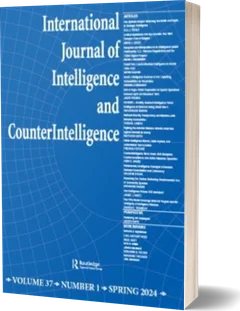
Hüseyin Akarslan · International Journal of Intelligence and CounterIntelligence

Özet

Cloud, grid, parallel, volunteer, and opportunistic computing are different forms of distributed computing and each of these concepts addresses different problems in data analysis. One of the latest virtualization technologies, containerization, provides new capabilities with a thin layer on end-user desktop computers in the field of distributed computing. From the viewpoint of management information systems, the information is the key element in decision-making processes, and in the age of the Internet the information that is necessary for organizations is accessible from publicly available open sources. Every organization needs to operate an open-source intelligence process to use the open-source data in different levels of management. However, the problem is that each organization needs data scientists and hardware and software resources to fulfill this requirement. Big enterprise companies or governments can make an investment to solve this problem, but small and medium-sized enterprises or small institutions may not have enough budget. A distributed microservice-based data analysis model with the technology of Docker containerization on the end-user computers is proposed.

Kitap bölümüTürkçe

Open Source Intelligence (OSINT)

Hüseyin Akarslan · Editörler: Prof. Dr. Şeref Sağıroğlu, Doç. Dr. Sedat Akleylek

Özet

In short, open source intelligence (OSINT), which can be defined as the process of collecting and analyzing data that can be obtained from public sources, is discussed in this study from different aspects with an interdisciplinary perspective. Open source intelligence, which is a very broad subject in terms of its scope, is increasingly gaining importance. The basic principles, methodology and how it can be integrated with current technological developments, which is a method successfully implemented in many different fields, are explained with examples from practice. Since the subheadings discussed in this study, which draws a general framework, are subjects that can be examined in more depth, they are discussed in the light of abstract information in order not to expand the scope. Popular trends in open source intelligence are mentioned in each section and future developments are emphasized in the last section.

Makale taslağıHazırlanıyor

A Practical Example of Using Open-source Intelligence (OSINT) Techniques in Management Information Systems (MIS)

Hüseyin Akarslan, Şeref Sağıroğlu

Araştırma ekibi

Yeni araştırmacılar arıyoruz. Katılmak isterseniz aşağıdaki formu kullanın.

Prof. Dr. Şeref SağıroğluAraştırma lideri
Hüseyin Akarslan, Dr.Baş araştırmacı
GönüllülerAçık kaynak istihbaratı ve yapay zekâ üzerine çalışmak isteyen araştırmacılar

Araştırma ekibine yazın

Platformla ilgili sorular, kurumunuz için bir kavram kanıtı (POC) çalışması ya da ekibe katılmak: bize yazın.

Doğrulama kodu görseli: beş harf ve rakam
Görseldeki beş karakteri yazın. Büyük veya küçük harf fark etmez.